Whether you are catching up on classic series like Mobile Suit Gundam 1 or managing a busy workday, selecting the right smartphone is about matching hardware to your habits. Modern devices offer a wide range of features, but identifying which specific use cases matter to you saves time and prevents overspending. By focusing on your daily scenarios, you can narrow down the selection criteria to find a practical fit.
What Display Specs Matter for Media Consumption?

If your primary goal involves streaming video or playing graphics-intensive games, the screen quality is paramount. Look for panels with high resolution and color accuracy that make animation look crisp and vibrant. OLED or AMOLED screens generally provide deeper blacks, which enhances contrast in dark scenes. Additionally, a higher refresh rate (90Hz or 120Hz) results in smoother scrolling and motion, reducing eye strain during long binge-watching sessions.
How Do Camera and Storage Features Influence Your Choice?
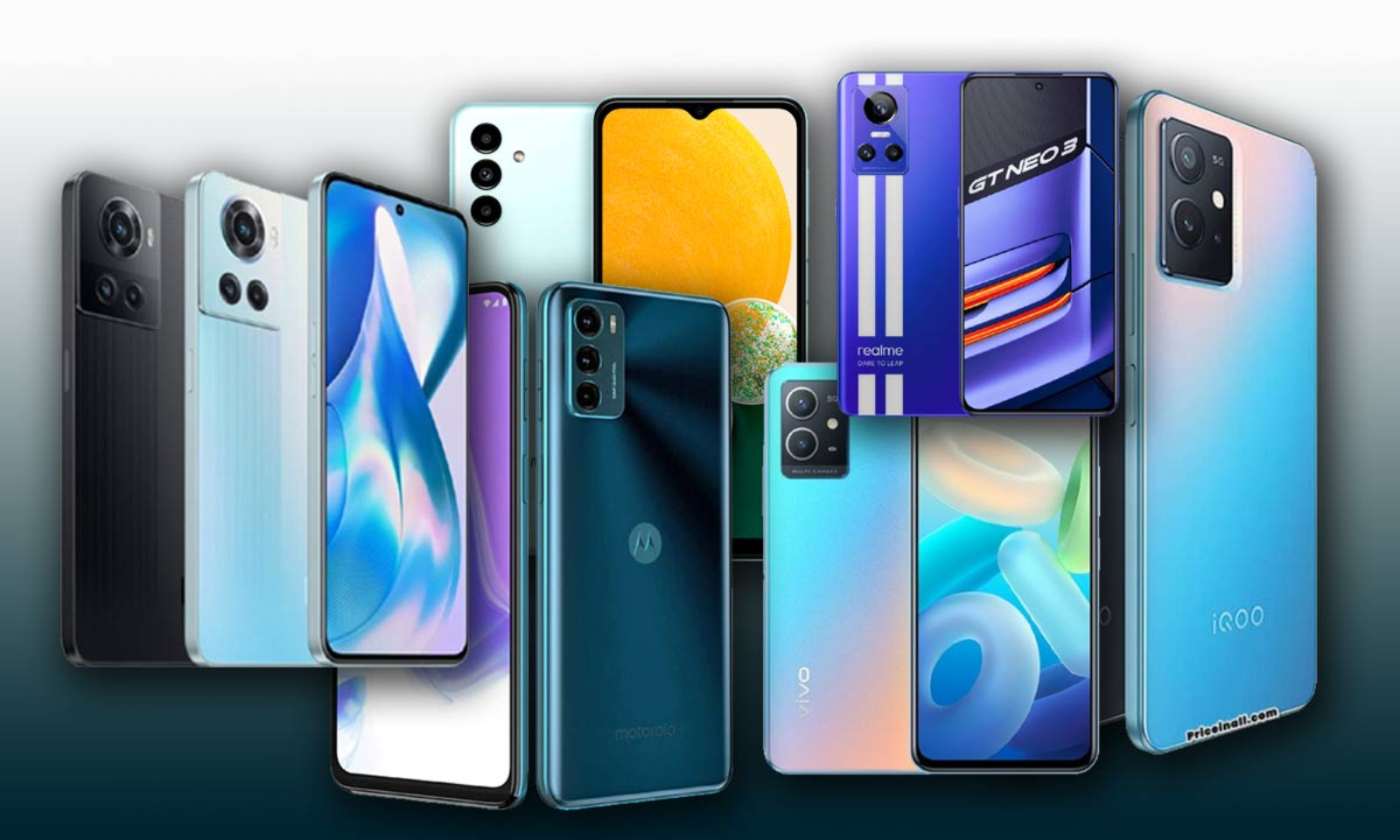
For users who capture memories or download large libraries of content, storage capacity becomes a critical selection criterion. Cloud services are useful, but local storage is faster and doesn't rely on a constant data connection. A device with at least 128GB is often the standard starting point, though heavy media consumers may prefer 256GB or more. Coupled with this, camera versatility matters; a multi-lens setup allows for better low-light performance and wider angles, ensuring your hardware is ready for any moment you need to document.
Does Battery Life or Charging Speed Take Priority?
Your daily routine dictates how you should view power management. If you are often away from outlets for long periods, a large battery cell (5,000 mAh or higher) is non-negotiable. However, if you have frequent access to charging—whether in a car, at a desk, or during commutes—fast charging speeds might be more beneficial. Some modern devices can reach a 50% charge in under 30 minutes, which can be a lifesaver for the busy practical reader who is always on the move.
What Performance Level Do You Actually Need?
Processors are often marketed by peak power, but sustained efficiency is what keeps a phone running smoothly over years. For checking emails, browsing social media, and texting, mid-range chipsets are perfectly adequate and often more power-efficient. High-performance chipsets are only necessary if you are editing video, playing high-end 3D games, or multitasking with heavy apps continuously. Assessing your software load helps avoid paying for power you will never utilize.
Whether you are catching up on classic series like Mobile Suit Gundam 1 or managing a busy workday, selecting the right smartphone is about matching hardware to your habits. Modern devices offer a wide range of features, but identifying which specific use cases matter to you saves time and prevents overspending. By focusing on your daily scenarios, you can narrow down the selection criteria to find a practical fit.
What Display Specs Matter for Media Consumption?
If your primary goal involves streaming video or playing graphics-intensive games, the screen quality is paramount. Look for panels with high resolution and color accuracy that make animation look crisp and vibrant. OLED or AMOLED screens generally provide deeper blacks, which enhances contrast in dark scenes. Additionally, a higher refresh rate (90Hz or 120Hz) results in smoother scrolling and motion, reducing eye strain during long binge-watching sessions.
How Do Camera and Storage Features Influence Your Choice?
For users who capture memories or download large libraries of content, storage capacity becomes a critical selection criterion. Cloud services are useful, but local storage is faster and doesn't rely on a constant data connection. A device with at least 128GB is often the standard starting point, though heavy media consumers may prefer 256GB or more. Coupled with this, camera versatility matters; a multi-lens setup allows for better low-light performance and wider angles, ensuring your hardware is ready for any moment you need to document.
Does Battery Life or Charging Speed Take Priority?
Your daily routine dictates how you should view power management. If you are often away from outlets for long periods, a large battery cell (5,000 mAh or higher) is non-negotiable. However, if you have frequent access to charging—whether in a car, at a desk, or during commutes—fast charging speeds might be more beneficial. Some modern devices can reach a 50% charge in under 30 minutes, which can be a lifesaver for the busy practical reader who is always on the move.
What Performance Level Do You Actually Need?
Processors are often marketed by peak power, but sustained efficiency is what keeps a phone running smoothly over years. For checking emails, browsing social media, and texting, mid-range chipsets are perfectly adequate and often more power-efficient. High-performance chipsets are only necessary if you are editing video, playing high-end 3D games, or multitasking with heavy apps continuously. Assessing your software load helps avoid paying for power you will never utilize.
Where Does Mobile Design Go From Here?

Where Does Mobile Design Go From Here?
Smartphone Mobile Phone Product Mockup Display Advertising Rendering

Smartphone mobile phone product mockup display advertising rendering ...
Premium Photo | Smartphone Mobile Phone Product Mockup Display

Premium Photo | Smartphone mobile phone product mockup display ...